Skip to content
SNTURCO

Cotton collection

Nine cottons, nine characters.

Where each cotton comes from, what its fibre is like, and how it differs from the others.

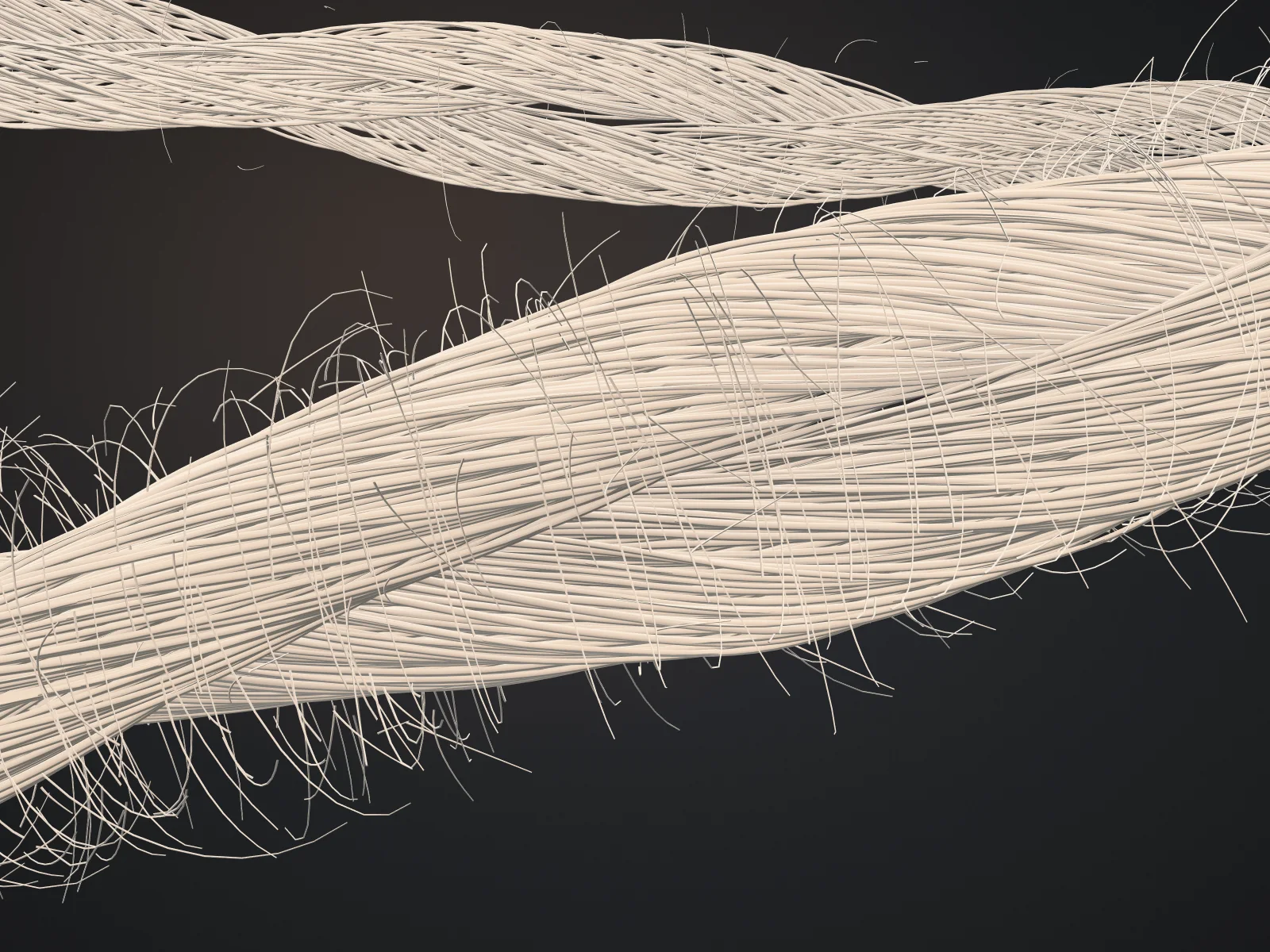
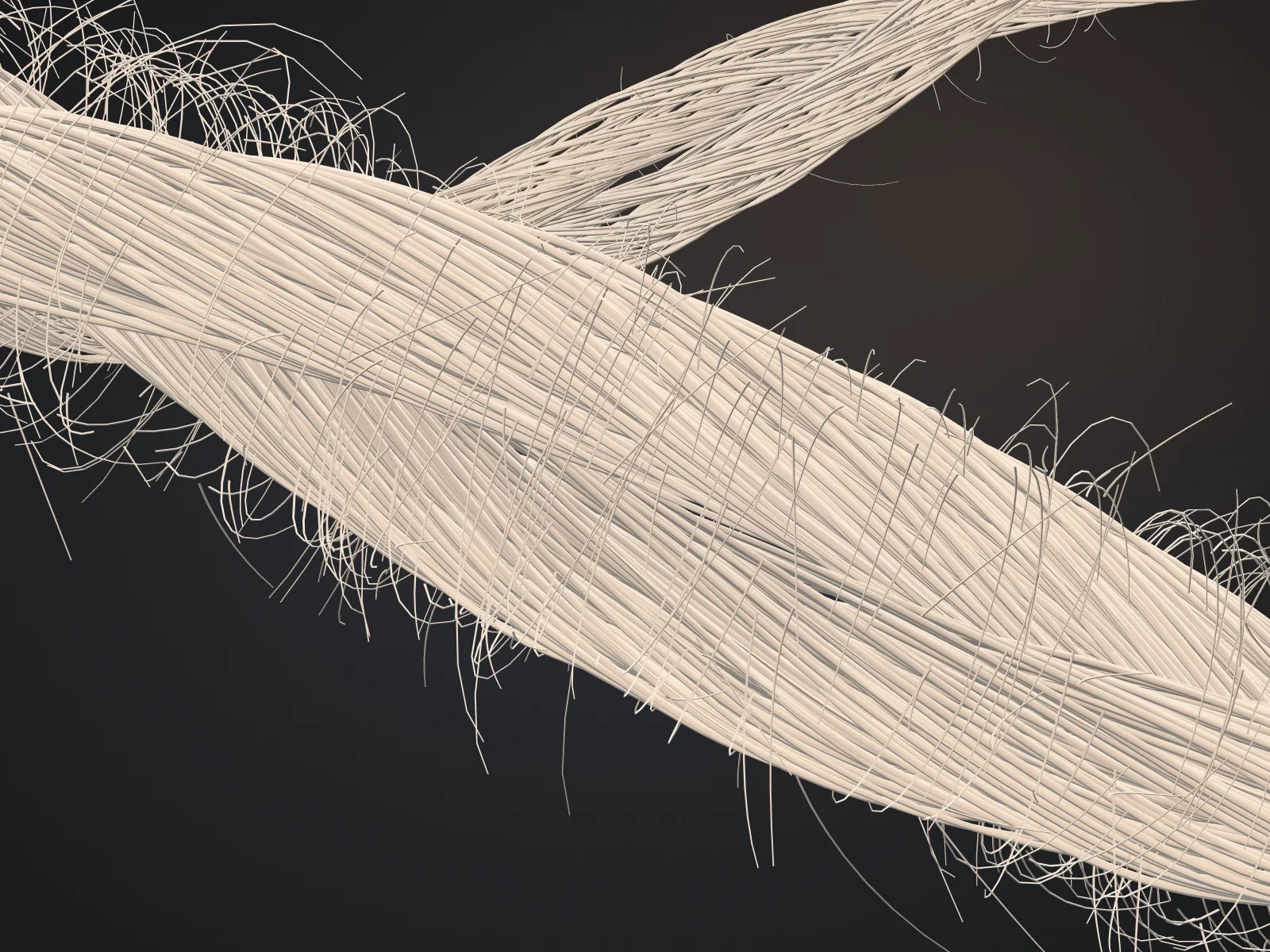
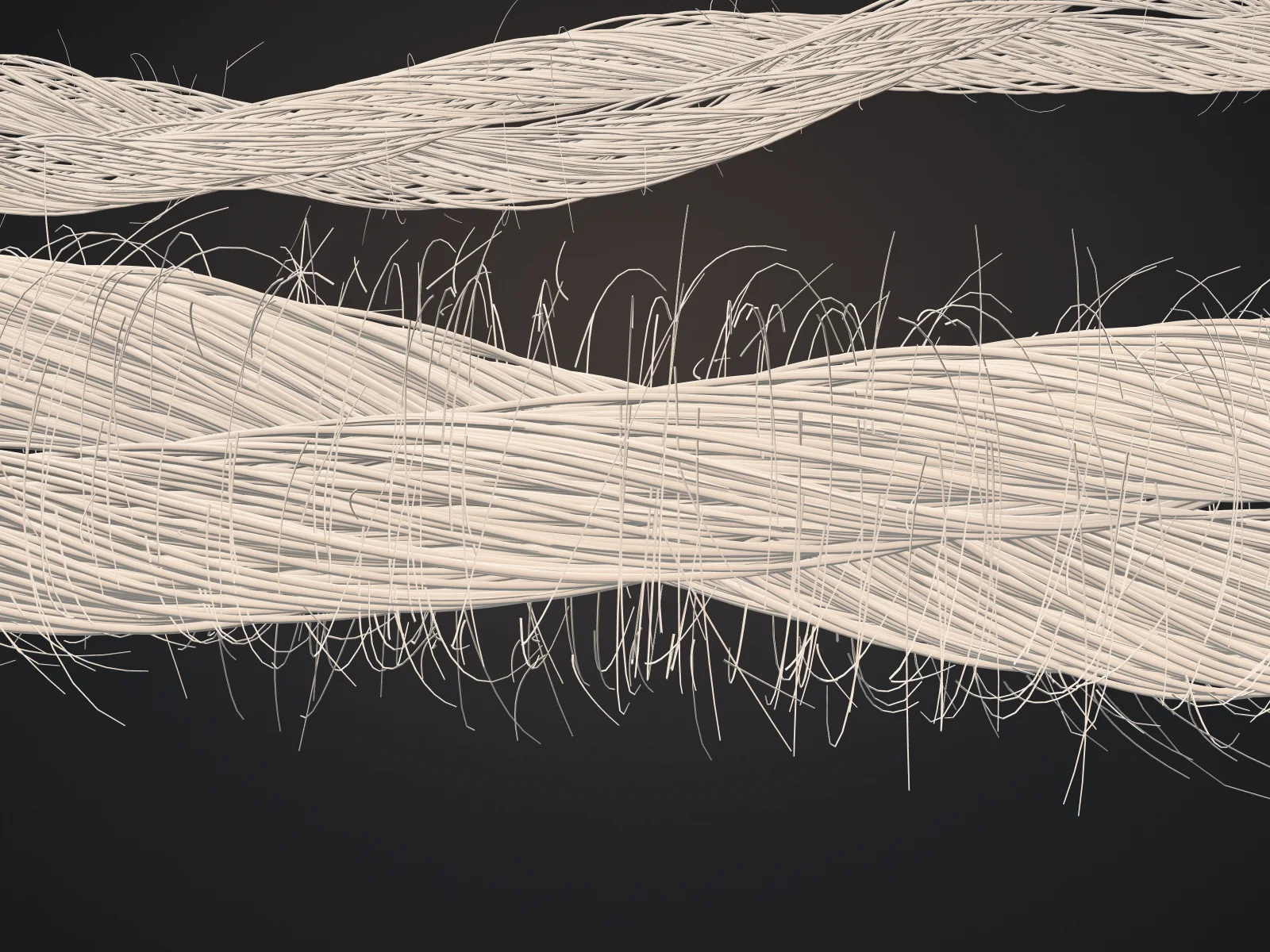
American Cotton – Illustrative 3D render01

Medium staple

American Cotton

The most common cotton type in the world: consistent, versatile and widely available.

Origin
United States, mainly the Cotton Belt from Texas to the Southeast.
Fibre structure
Mostly Upland cotton (Gossypium hirsutum), a medium-staple fibre.
Uses
Everyday knits · Denim · Home textiles · Blends with polyester
How it differs
A reliable all-round cotton. For extra-long staple American cotton, see Pima and Supima.
View details
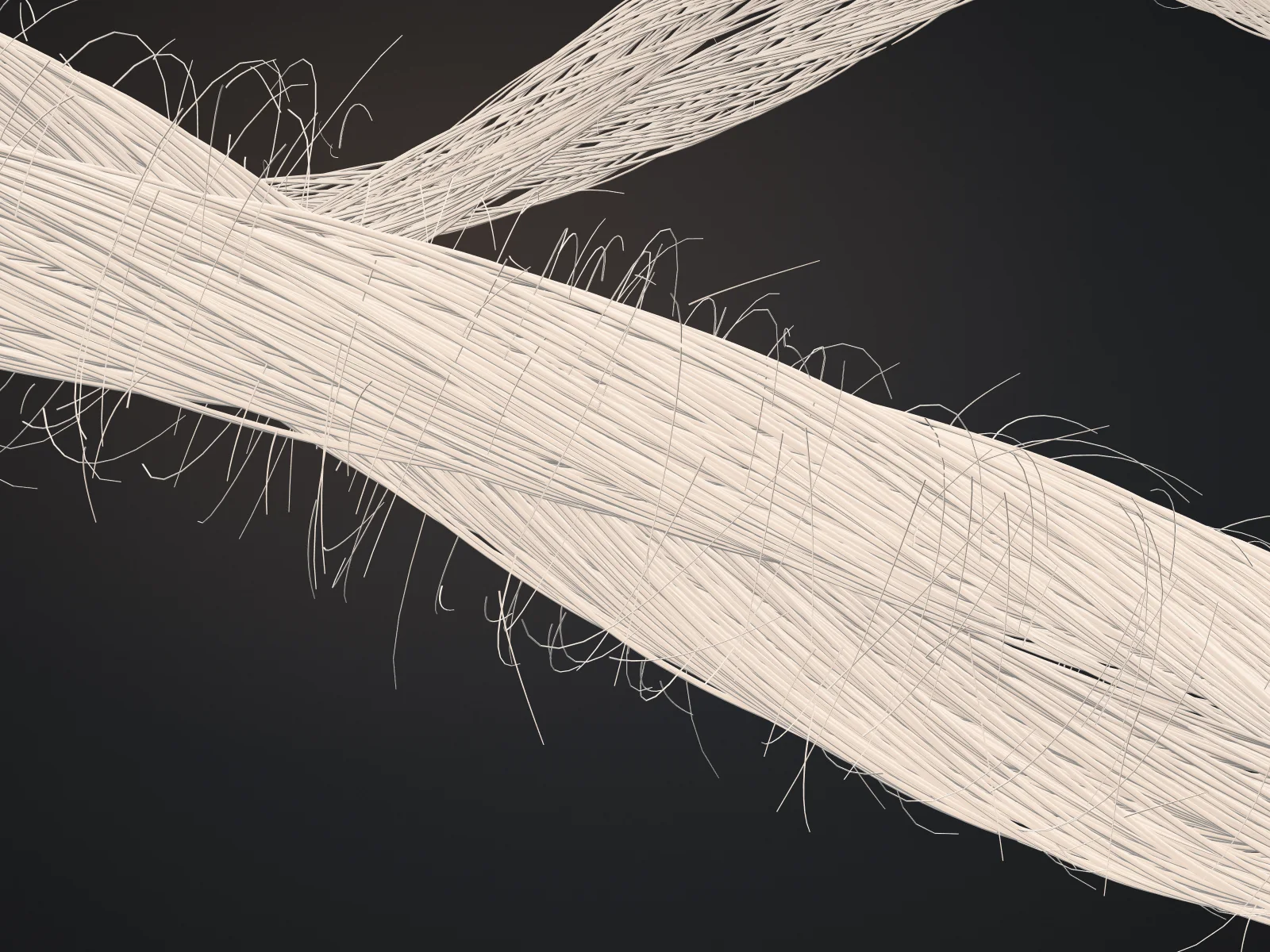
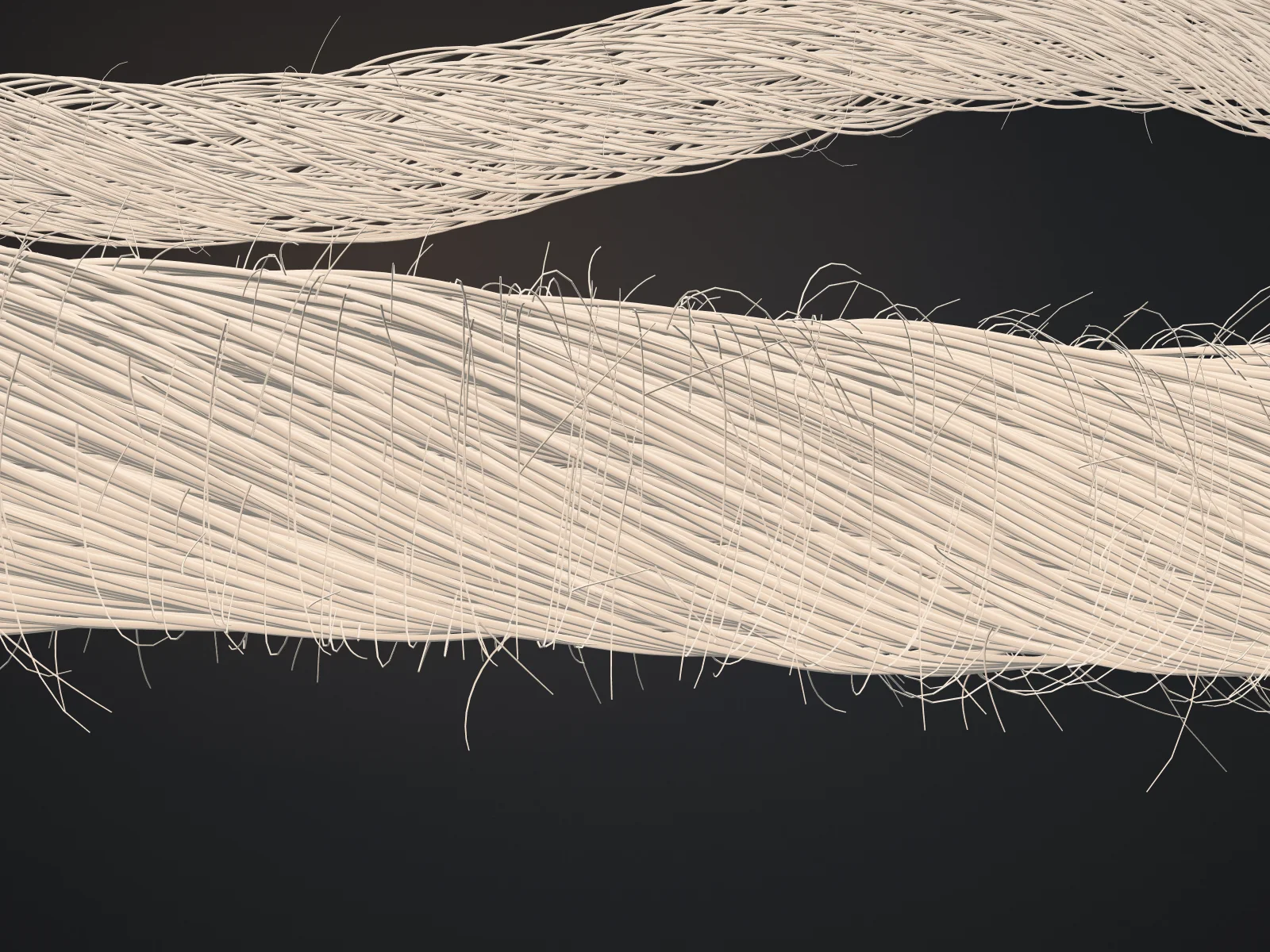
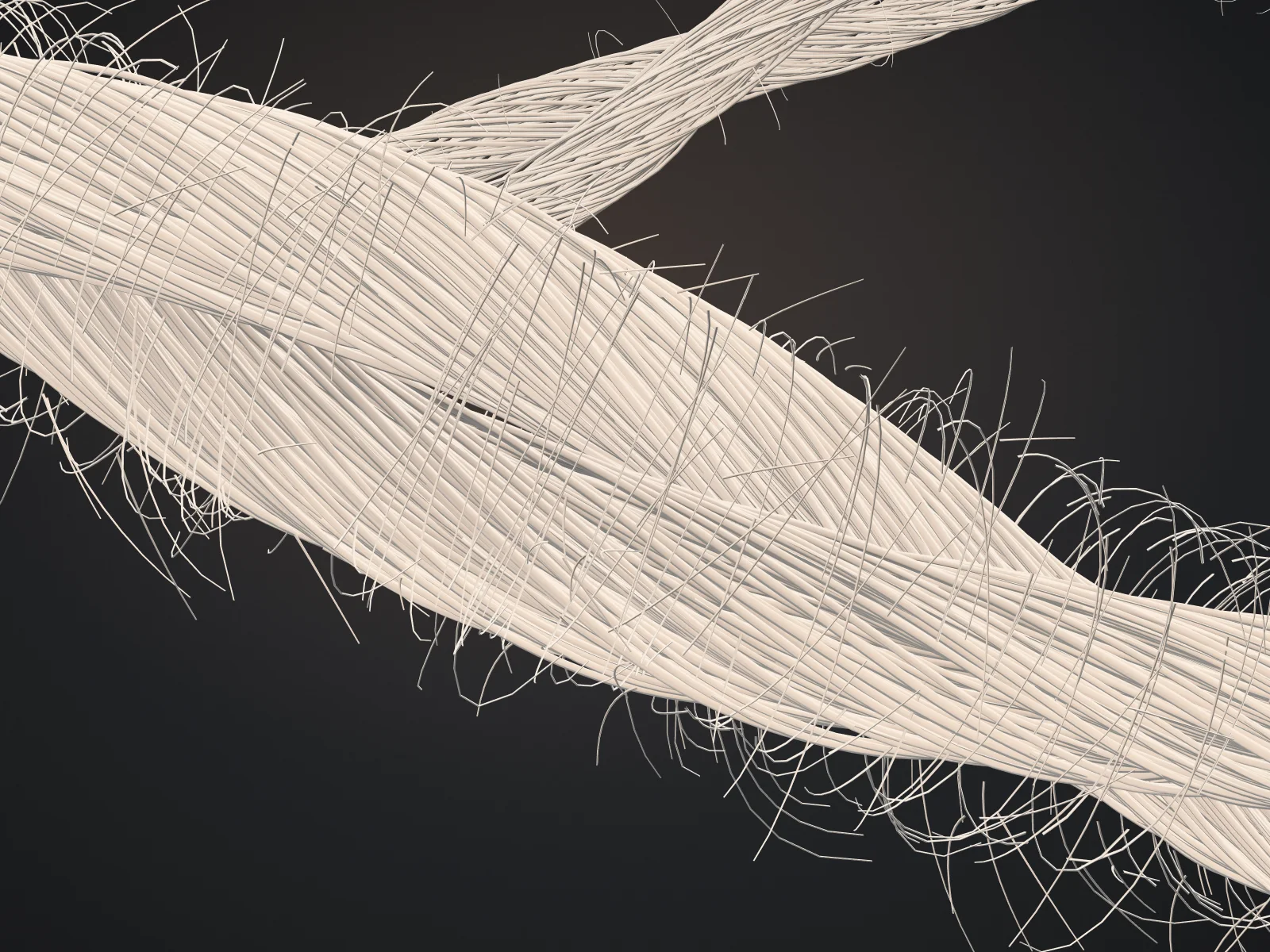
Egyptian Cotton – Illustrative 3D render02

Long and extra-long staple

Egyptian Cotton

Known for fine, smooth and lustrous yarns with a soft hand.

Origin
Egypt, mainly the Nile Delta and Nile Valley.
Fibre structure
Mainly Gossypium barbadense varieties with long or extra-long staple; fine and strong.
Uses
Fine shirting · Bed linen · Premium knitwear
How it differs
"Egyptian cotton" is an origin. Giza is the name of the individual varieties grown there.
View details
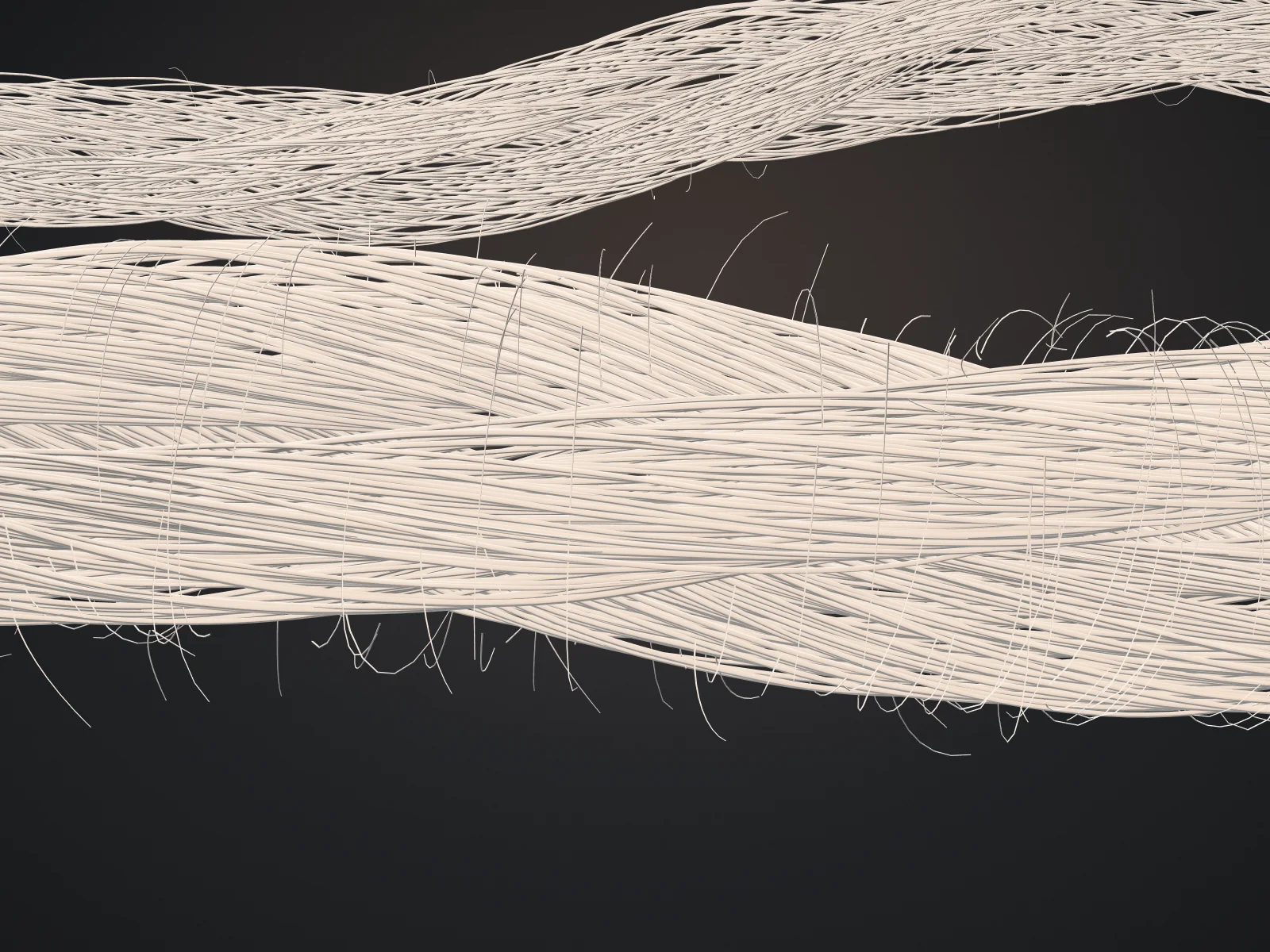
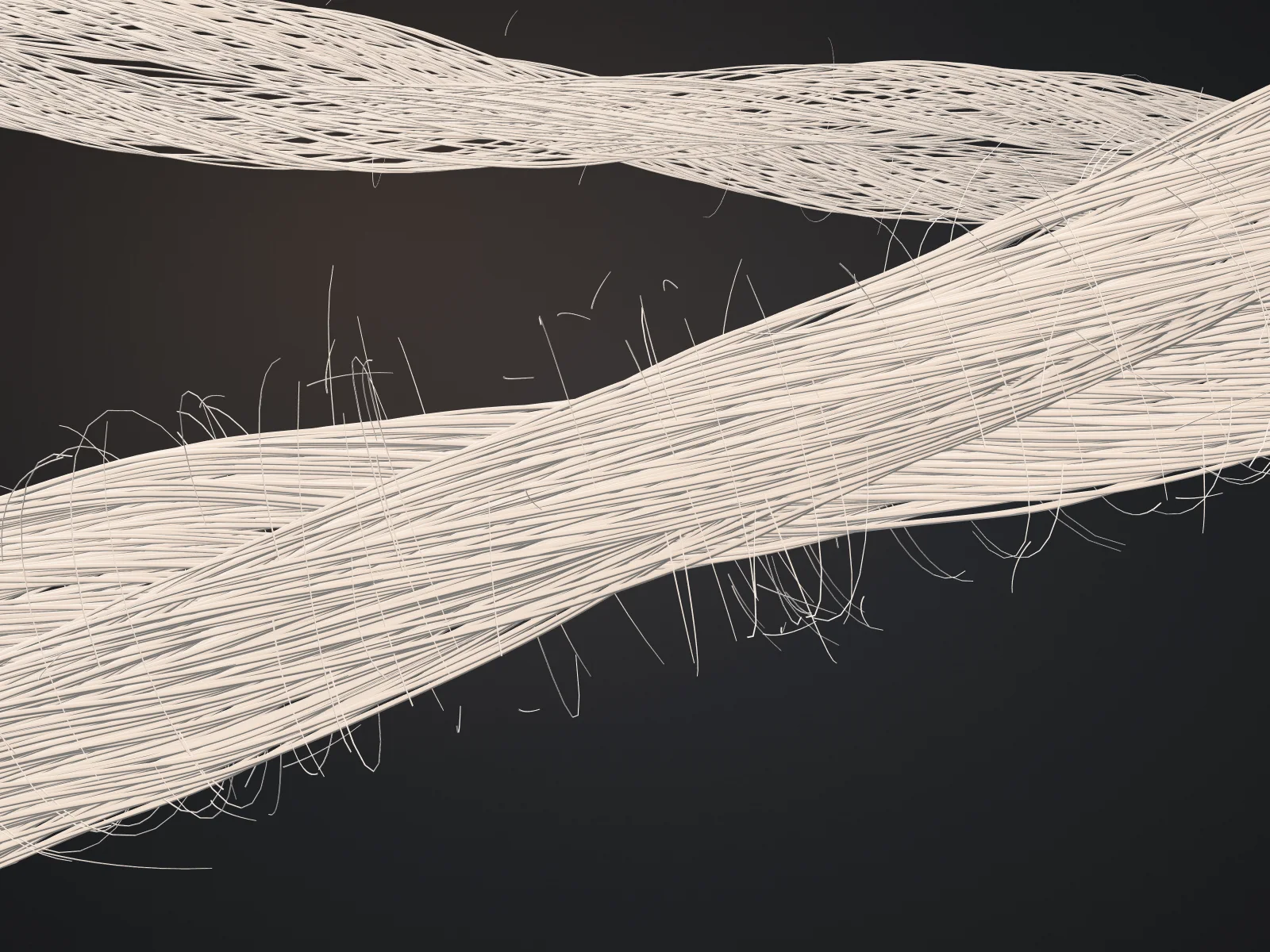
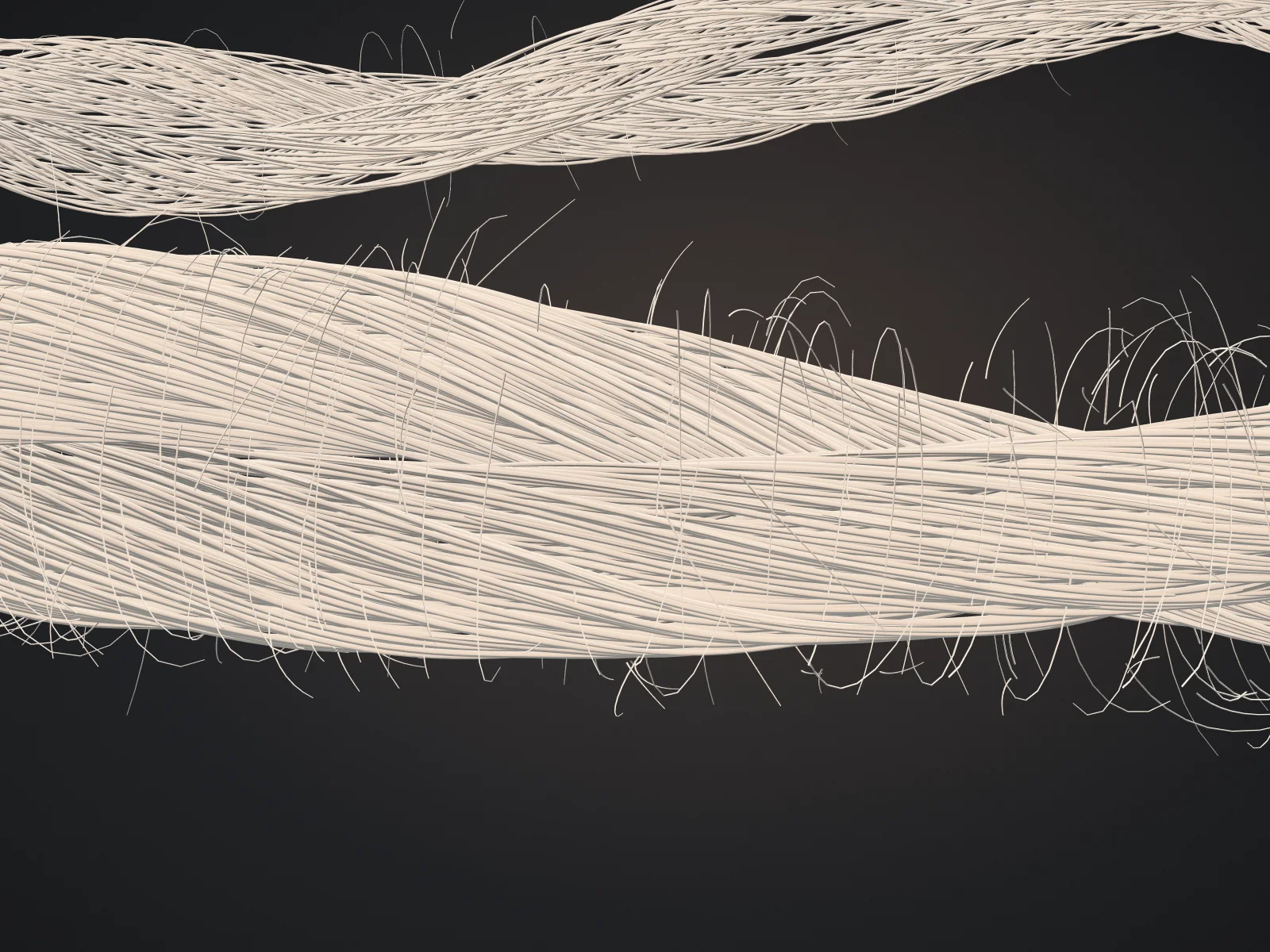
Turkish Cotton – Illustrative 3D render03

Medium to long staple

Turkish Cotton

A cotton with good length and absorbency, spun by Türkiye’s large yarn industry close to European markets.

Origin
Türkiye: the Aegean region, Çukurova and Southeastern Anatolia.
Fibre structure
Mainly Upland cotton (Gossypium hirsutum), with medium to long staple depending on region and variety.
Uses
Towels and bathrobes · Knitwear and jersey · Denim · Home textiles
How it differs
Grown and spun in the same country, which keeps lead times to Europe short.
View details
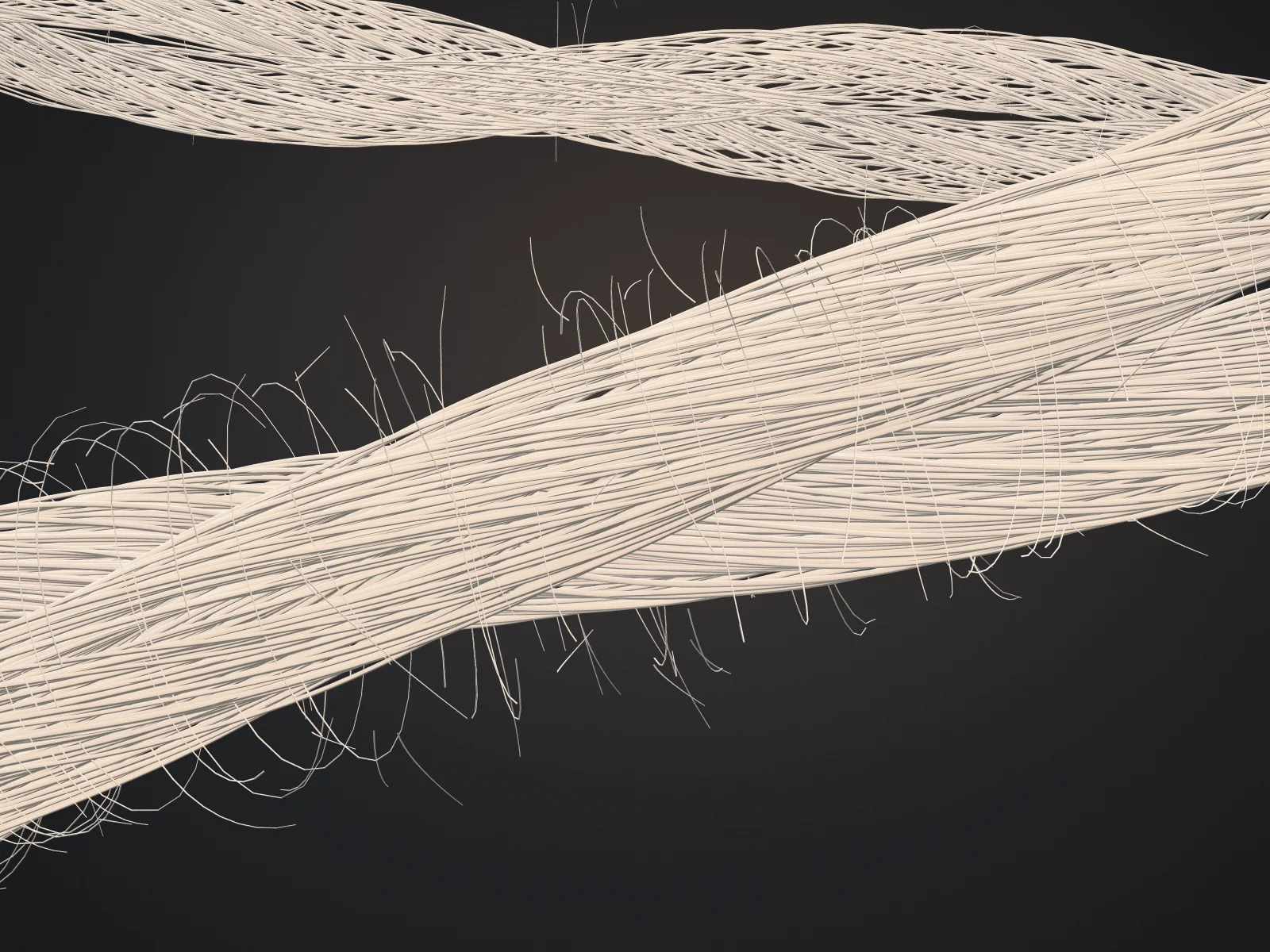
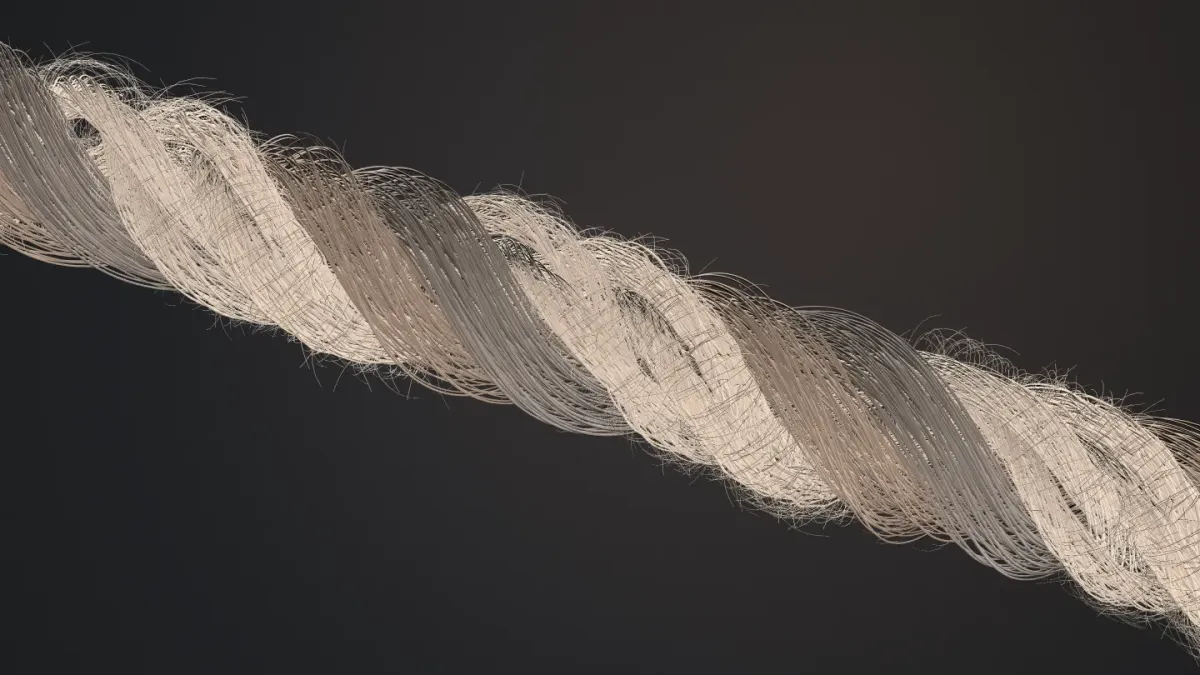
Pima Cotton – Illustrative 3D render04

Extra-long staple

Pima Cotton

Soft, smooth and durable, with less pilling than shorter cottons.

Origin
Developed in the southwestern United States; also grown in Peru and other countries.
Fibre structure
Extra-long staple Gossypium barbadense: long, fine and strong fibres.
Uses
Premium T-shirts and polos · Fine knitwear · Shirting · Bed linen
How it differs
Pima is a cotton type. Supima® is the trademark for 100% American-grown Pima.
View details
Supima Cotton – Illustrative 3D render05

Extra-long staple

Supima Cotton

A protected brand for American Pima, used for premium products where traceable origin matters.

Origin
United States: 100% American-grown Pima cotton.
Fibre structure
Extra-long staple Gossypium barbadense, the same species as other Pima cotton.
Uses
Luxury knitwear · Premium shirting · Bed linen and towels
How it differs
Same species as Pima, but limited to US-grown cotton and sold under a licensed trademark.
View details
Giza Cotton – Illustrative 3D render06

Long and extra-long staple

Giza Cotton

Prized for fine, strong and lustrous yarns, especially in the extra-long staple varieties.

Origin
Egypt. Giza varieties are bred by Egypt’s Cotton Research Institute.
Fibre structure
Each variety has a number (for example Giza 86 or Giza 94) and its own fibre properties; some are long staple, others extra-long staple.
Uses
Fine shirting · Luxury bed linen · Premium knitwear
How it differs
More specific than "Egyptian cotton": the Giza number names the exact variety.
View details
Organic Cotton – Illustrative 3D render07

Depends on the variety

Organic Cotton

Grown without synthetic pesticides and fertilisers and without genetically modified seed.

Origin
Grown in several countries, including Türkiye, under organic farming rules.
Fibre structure
Any cotton variety can be organic: the difference is how it is grown, not the fibre itself.
Uses
Baby clothing · Basics and underwear · Home textiles · Collections with sustainability targets
How it differs
Defined by farming method and certification, not by variety or staple length.
View details
Anatolian Cotton – Illustrative 3D render08

Medium to long staple

Anatolian Cotton

A regional origin term with a long tradition in Turkish spinning and weaving.

Origin
Cotton grown across the Anatolian peninsula, for example in the Aegean, Çukurova and Harran plains.
Fibre structure
Mainly Upland cotton; fibre length and fineness depend on region and variety.
Uses
Knitting yarns · Weaving yarns · Towels and home textiles
How it differs
An origin description, not a variety or certified standard. Regional names (Aegean, Çukurova, Harran) say more.
View details
Sea Island Cotton – Illustrative 3D render09

Extra-long staple

Sea Island Cotton

Silky, very fine and rare. Produced in very small volumes.

Origin
Originally the Sea Islands off the US coast; today grown in small quantities in the Caribbean.
Fibre structure
Extra-long staple Gossypium barbadense, among the finest and longest cotton fibres.
Uses
Luxury shirting · Fine knitwear
How it differs
The rarest cotton in this list. Availability and price are confirmed per request.
View details

Protected names and certified qualities (for example Supima® or organic) are offered only with valid documents from the supply chain.

Tell us what yarn you need.

Send the yarn type, count, quantity and delivery destination. We reply with options and clear terms.